In clinical practice, dentists frequently encounter patients dealing with gum recession, tooth sensitivity, poor esthetics, or complications around dental implants. These are not merely cosmetic complaints—they often reflect underlying periodontal issues that, if left untreated, can compromise both oral health and function.
The solution to many of these cases lies in Periodontal Plastic Surgery (PPS). This specialized field combines evidence-based soft tissue techniques to correct or prevent mucogingival and peri-implant defects, enhancing both form and function.
Clinical Problems Periodontal Plastic Surgery Can Address
1. Gum Recession and Root Exposure
Gingival recession can make teeth appear longer, cause sensitivity, and increase the risk of root caries. Techniques such as the coronally advanced flap and subepithelial connective tissue grafting are effective in restoring the gingival margin and covering exposed roots, improving both esthetics and comfort.
2. Thin Gingival Biotype and Lack of Attached Gingiva
Patients with thin, fragile gingival tissue are at greater risk for inflammation and soft tissue breakdown. PPS procedures can increase soft tissue thickness and keratinized tissue width, helping to stabilize the periodontium and support restorative outcomes.
3. Difficult Oral Hygiene Due to Anatomical Defects
Irregular soft tissue architecture, clefts, and insufficient keratinized tissue can make hygiene painful or ineffective. PPS techniques create a healthier, more maintainable tissue environment that encourages plaque control and reduces inflammation.
4. Asymmetry and Soft Tissue Esthetic Concerns
Discrepancies in gingival contours or papilla loss, especially in the anterior zone, can severely impact smile esthetics. PPS procedures such as papilla reconstruction, esthetic crown lengthening, and soft tissue augmentation around implants can harmonize the smile and meet patient expectations.
Why Dentists Should Master Periodontal Plastic Surgery
While many PPS procedures have traditionally been associated with periodontists, general dentists can—and should—learn to perform them safely and effectively. Incorporating these skills into practice enables clinicians to:
- Manage soft tissue esthetics around both teeth and implants
- Provide advanced treatment options without referrals
- Improve clinical outcomes in restorative, prosthetic, and implant cases
- Differentiate their practice by offering comprehensive care
As patient demand for functional and esthetic dentistry increases, so does the need for dentists who are trained in soft tissue techniques that go beyond basic periodontics.
Key Periodontal Plastic Surgery Techniques Every Dentist Should Know
Some of the most commonly used and clinically validated techniques include:
- Coronally Advanced Flap (CAF)
For root coverage and esthetic repositioning of the gingival margin. - Subepithelial Connective Tissue Graft (SCTG)
Used to enhance tissue thickness and predictably cover exposed roots. - Semilunar and Tunnel Techniques
Minimally invasive approaches ideal for esthetic zones and papilla preservation. - Peri-Implant Soft Tissue Augmentation
Increases soft tissue volume and reduces the risk of peri-implantitis and recession. - Combined Restorative-Surgical Approaches
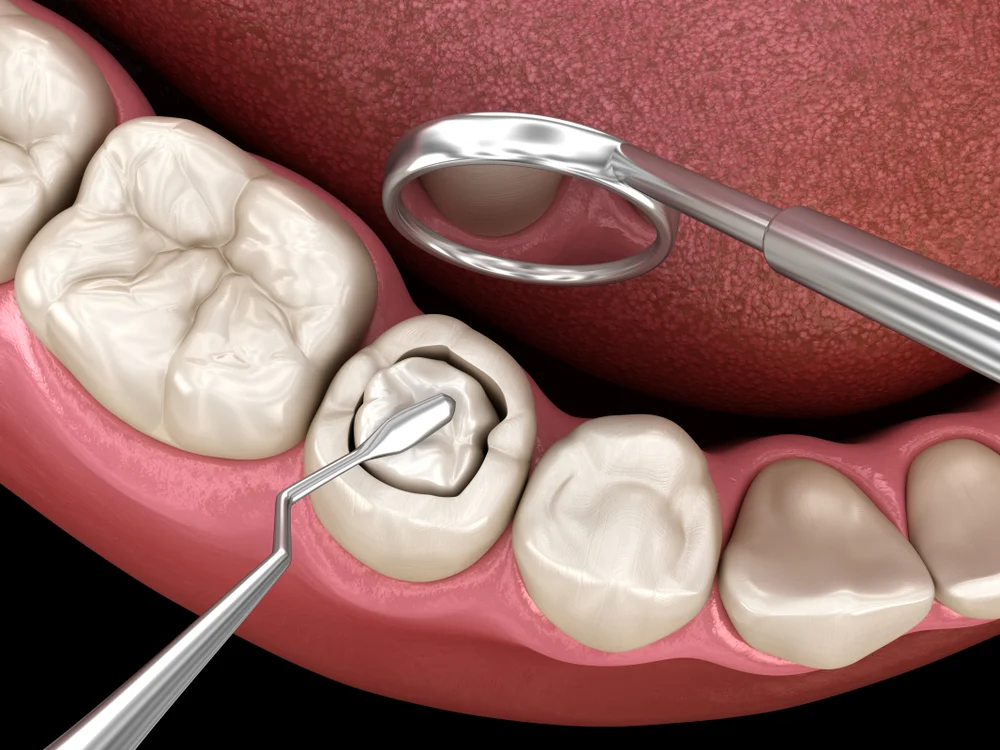
Addressing cervical lesions and root coverage simultaneously for optimal outcomes.
Mastery of these techniques can significantly improve patient care and build a foundation for complex interdisciplinary treatments.
Enhance Your Clinical Expertise Through Advanced Training
Hands-on training with live patients under expert supervision is essential for gaining confidence in performing periodontal plastic surgery. Dentists seeking to broaden their surgical skills and improve treatment predictability can benefit from enrolling in a structured educational program that includes:
- Clinical protocols for diagnosis, planning, and execution
- Supervised live-patient surgery
- Evidence-based use of grafts and biomaterials
- Soft tissue management around implants and in esthetic zones
This kind of immersive learning experience ensures you are not just exposed to the theory but are fully equipped to implement these procedures in your own practice.
Final Thoughts
Periodontal Plastic Surgery plays a central role in solving a wide range of clinical challenges—from sensitivity and esthetic imbalance to peri-implant soft tissue deficiencies. As dentistry becomes more patient-centered and esthetically driven, the ability to perform these procedures is becoming essential for clinicians committed to comprehensive care.
Whether you are managing a complex esthetic case or looking to stabilize implant outcomes, PPS offers practical, scientifically supported solutions that enhance both patient satisfaction and long-term success.